

Stream/Download Free MP3
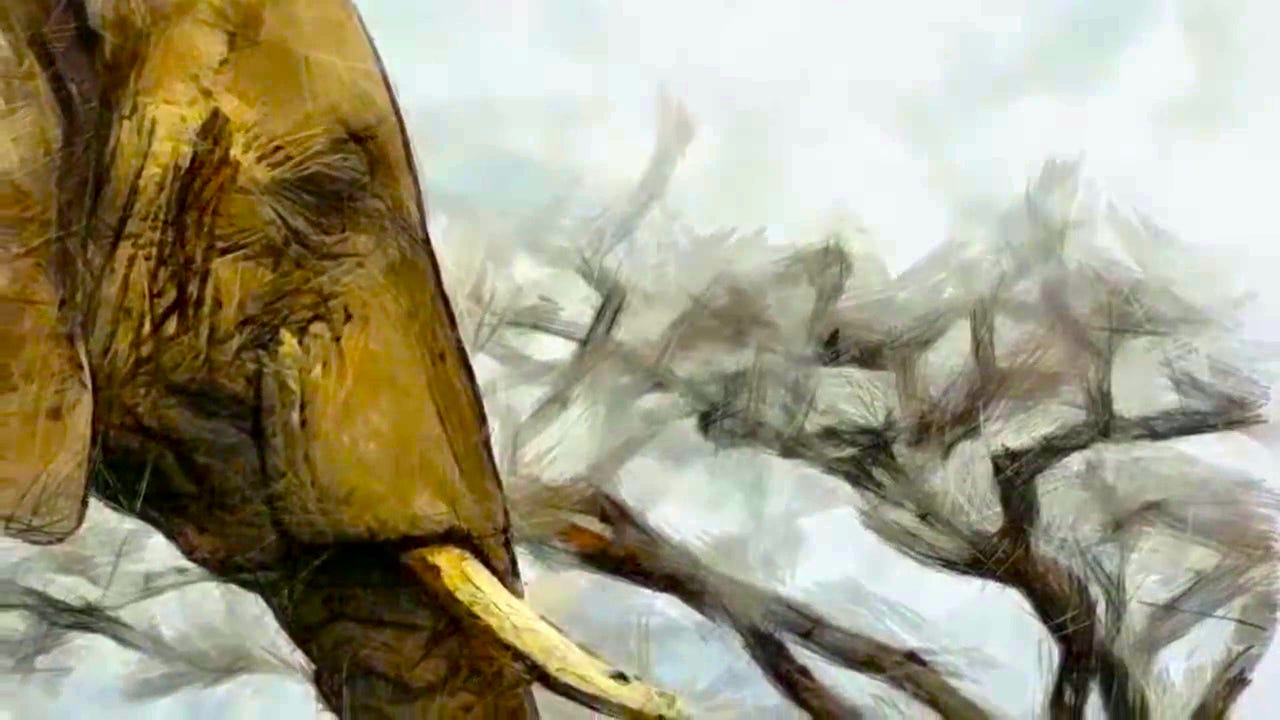
When I set out to record the instrumental Pakhudermos, I wanted to translate the literal weight of a titan into a sonic frequency. Pakhudermos is Greek for “elephant,” and that image governed every decision I made in the home studio, ground up, from the first drum loop to the final mix.
Heavily influenced by the earliest Pearl Jam’s rhythm section, and that signature avant garde, dive-bombed, feral guitar of Adrian Belew (see: Lone Rhinoceros), I approached the composition as a study in lumbering, unstoppable momentum. I deliberately chose a slow, punishing tempo to mimic a massive, deliberate gait. I wanted every kick drum beat to shake the earth. By keeping the arrangement sparse and focusing on a cyclical, heavy motif, I made sure there was enough space for the sheer mass of the sound to breathe without getting cluttered.
On the instrumentation side, I went for a dense, low-end focused power-trio vibe. I down-tuned the guitars and ran them through a thick, fuzzy distortion, partly to get that “wall of sound,” but also because that gritty texture felt like a physical representation of rough, weathered skin. I tracked a faux-fretless bass line right underneath the riffs to glue the low-end together on a sliding rail, and I decided on the repeating drum loop for its snare crack that could cut through the distortion like a warning and a tom roll that evoked a mass migration.
In post-production, I leaned into that sense of scale, using heavy compression to make the drums sound gargantuan and tailored the EQ to push the sub-bass and low-mids until the track felt physically imposing. Finally, I washed it all in a cavernous reverb.
I didn’t want this to sound like it was recorded in a room. I wanted it to feel like it was echoing through a vast, ancient canyon. This track is my attempt to capture a creature that moves with a mass that cannot be deterred.